Why Specialized Real Estate Software is the Key to Scaling Your Property Business
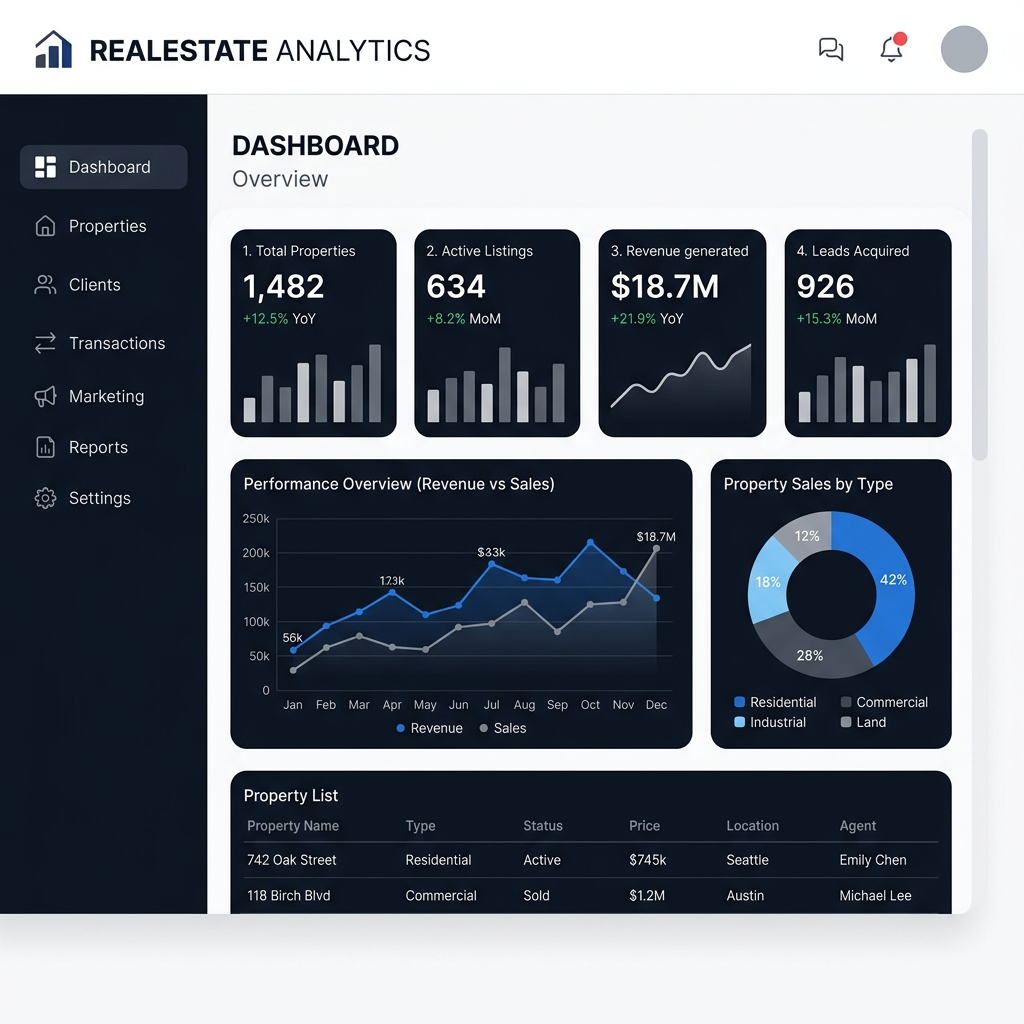
The Indian real estate market is experiencing an unprecedented boom. According to recent industry reports, the Indian real estate sector is projected to reach a market size of $1 trillion by 2030, contributing up to 13% of the country's GDP. From smart cities emerging across tier-2 regions like Ahmedabad, Indore, and Lucknow, to luxury high-rises dominating metro skylines in Mumbai, Gurugram, and Bengaluru, the scale of property transactions has never been larger.
However, with this massive growth comes a massive influx of leads, inquiries, and customer data. In today's digital era, buyers research properties online long before visiting a sample flat. Leads flow in 24/7 from Facebook ads, Instagram campaigns, property portals, and WhatsApp inquiries. For developers, builders, and brokers, managing this influx manually is no longer viable. Sticky notes, Excel sheets, and even generic, off-the-shelf CRMs are proving insufficient. To stay ahead of the competition, Indian real estate professionals need specialized Real Estate Software designed to address the unique workflows and challenges of the Indian property market.
1. The Pitfalls of Generic CRMs in Real Estate
Many developers start their digital journey using general CRM platforms like Salesforce, HubSpot, or Zoho. While these tools are excellent for standard retail, e-commerce, or SaaS products, they lack the specific database architecture required for real estate:
- No Property Unit Tracking: Real estate sales depend on physical unit availability (tower, floor, unit number, facing direction, super built-up area). Generic CRMs cannot easily map complex inventory databases where each product (a flat or villa) is unique and can only be sold once.
- Irrelevant Sales Pipelines: Property buyers go through a highly specific and prolonged lifecycle—from inquiry and site visits, to builder-buyer agreements (BBA), RERA registrations, bank loan approvals, and final possession. Generic CRMs require heavy custom development to mimic this workflow.
- Complex Broker Ecosystems: A huge percentage of Indian real estate sales happen through Channel Partners (CPs). Tracking broker commissions, lead attribution, and mapping which broker brought which lead is incredibly difficult to configure in general business software.
2. Streamlining the Lead Lifecycle (From Portal to Sale)
For any builder, the cost of lead generation is high. Leads are generated from portals (99acres, Magicbricks, Housing.com), social media ads, search engines, and offline walk-ins. Without specialized Lead Management Software, up to 70% of these leads end up untouched or delayed. Studies show that responding to a lead within 5 minutes increases conversion rates by up to 391%.
Dedicated real estate software automates this entire process:
- Instant Lead Pulling: Leads are auto-fetched from online portals and listing sites in real-time, eliminating manual copy-pasting.
- Intelligent Lead Distribution: Leads are instantly assigned to the right sales executive based on budget, project type, or location, using round-robin or performance-based routing.
- Site Visit Scheduling & Follow-ups: Allowing sales teams to schedule site visits and sending automated SMS or WhatsApp location pins directly to buyers, making it easy for them to reach your project site.
3. Real-Time Property Inventory Management
Nothing damages your brand's reputation more than two sales agents trying to book the same 3BHK flat at the same time. This is a common issue when using manual registers or Excel sheets shared across multiple offices.
With dedicated Real Estate CRM, you get a live inventory dashboard. Your sales team, whether they are in the corporate office or on-site, can see exactly which units are available (Green), blocked or on hold (Yellow), or already sold (Red). Agents can instantly block a flat for a customer for 24-48 hours while the booking amount payment is being processed, after which the unit is automatically released back to the general inventory if the payment is not confirmed. This real-time visibility prevents double-bookings, ensures transparent pricing, and speeds up the decision-making process for potential buyers.
4. WhatsApp Automation & Personalized Outreach
In India, WhatsApp is where business gets done. Property buyers are more likely to read and respond to a WhatsApp message than an email. A modern real estate CRM integrates directly with WhatsApp Business APIs to automate crucial customer touchpoints:
- Instant Welcome Kits: Sending welcome brochures and price lists automatically as soon as a lead is registered.
- Site Visit Reminders: Sending automated reminders a day before and 2 hours before the scheduled site visit.
- Construction Milestones: Sharing photos and status updates of construction progress with existing buyers, building trust and reducing anxiety.
- Payment Alerts: Automatically notifying customers about upcoming installment payments linked to construction milestones (e.g., slab casting, brickwork completion).
5. Channel Partner (Broker) Portals
Channel partners are the backbone of property sales in India, often driving more than 50% of the sales volume for major projects. However, brokers often worry about lead leakage and commission delays.
Real estate software provides a dedicated portal for brokers where they can view active inventory, pricing sheets, and register their leads securely to prevent conflict. This transparent system builds trust, ensures clear lead attribution, and motivates brokers to push your inventory over competitors, helping you scale your business quickly.
6. Financial Planning and Auto-Billing
Real estate payments in India are rarely simple one-time transactions. Most builders follow construction-linked payment plans. Tracking these installments manually for hundreds of buyers is prone to human error and delayed collections.
Specialized real estate CRM software tracks these billing cycles automatically. When a construction milestone is achieved (e.g., Tower A Floor 10 Slab Casted), the system automatically updates, generates payment demands, applies any late payment interest according to RERA guidelines, and emails the invoices directly to the buyers and their home loan bank managers.
Ready to upgrade your workflow?
Propora offers all these features and more, tailored specifically for the Indian real estate market. Start your free trial today and discover how intelligent automation can revolutionize your property business.